
Rising electricity costs and the need for reliable power have encouraged homeowners, businesses and industries across Pakistan to explore renewable energy. Solar panels are now a familiar sight, while wind energy is another option worth understanding. Yet questions remain: Do solar panels work at night? Do they stop producing electricity on cloudy days? Are batteries essential? And can wind turbines provide practical power for homes and businesses?
This guide explains common solar energy myths, how solar systems supply electricity after sunset, and when wind turbines may be a suitable renewable energy option in Pakistan. It also compares solar and wind power so you can make a more informed decision.

1. Understanding Solar and Wind Energy in Pakistan
Solar and wind energy generate electricity from naturally replenished resources. Solar photovoltaic (PV) panels convert sunlight directly into electrical energy. Wind turbines capture the kinetic energy of moving air, turning a rotor connected to an electrical generator.
Both technologies can reduce reliance on conventional electricity sources, but their output depends on the resource available at the site, equipment selection, system design, installation quality and maintenance. For many Pakistani homes and businesses, rooftop solar is a practical starting point because it can use existing roof space. Wind power can also be viable where measurements confirm consistent, suitable wind speeds and there is enough clearance for a turbine.
2. Ten Common Solar Panel Myths Explained
Myth 1: Solar Panels Generate Electricity at Night
Fact: Solar panels need sunlight to generate electricity, so they do not normally produce power at night. A solar system with battery storage can, however, supply electricity after sunset by using energy stored during the day. Learn more about hybrid solar systems.
Myth 2: Solar Panels Stop Working on Cloudy Days
Fact: Panels can still generate electricity in cloudy weather because some daylight reaches them. Output is usually lower than in clear sunshine, and the reduction depends on cloud thickness, panel technology, orientation, shading and weather conditions.
Myth 3: Solar Panels Do Not Work During Winter
Fact: Solar panels operate throughout the year, including winter. Shorter days, a lower sun angle and cloud cover can reduce daily generation. However, cooler panel temperatures can improve electrical efficiency when sunlight is available. Read our guide to solar production in winter in Karachi.
Myth 4: Solar Panels Produce More Electricity in Extreme Heat
Fact: More heat does not necessarily mean more electricity. Panels need sunlight, but high cell temperatures generally reduce their voltage and output. Correct mounting, airflow, equipment selection and installation practices all matter.
Myth 5: Solar Panels Require No Maintenance
Fact: Solar panels generally need less maintenance than many mechanical power systems, but they should still be inspected. Dust, bird droppings and other deposits can reduce output. Periodic cleaning when needed, visual checks, safe inspection of electrical connections and inverter monitoring help maintain performance. In dusty locations such as Karachi, the cleaning schedule should reflect actual soiling rather than a fixed assumption.
Myth 6: Solar Panels Cannot Work Without Batteries
Fact: Batteries are not required for every solar installation. A conventional on-grid system can operate without batteries and use the utility grid when solar generation is insufficient. A hybrid or off-grid system can include batteries for energy storage and backup. Explore our off-grid solar solutions.
Myth 7: Solar Panels Are Damaged by Rain
Fact: Properly designed and installed solar modules are built for outdoor exposure. Rain can wash away some surface dust, but heavy cloud cover and rain reduce the sunlight available for generation. Correct waterproofing, mounting and electrical protection remain essential.
Myth 8: Solar Panels Lose Their Efficiency Very Quickly
Fact: Quality solar modules are designed for long-term operation. Their output gradually degrades over time, with the rate depending on the manufacturer, product technology, environment and installation. Review the manufacturer’s product and performance warranties before purchasing.
Myth 9: Solar Systems Are Too Expensive to Pay Back
Fact: Solar requires an upfront investment, and the payback period varies. It depends on system price, electricity consumption patterns, self-consumption, tariffs, financing, maintenance and the applicable rules and rates for exporting surplus electricity. A correctly designed system can reduce electricity costs over its operating life, but savings should be calculated using the customer’s actual bill and current utility arrangements. Use our solar system calculator to start estimating your requirements.
Myth 10: Solar Power Cannot Support Heavy Commercial or Industrial Loads
Fact: Solar can support substantial commercial and industrial demand when the system is properly engineered. Design must account for load profiles, daytime consumption, machinery starting currents, inverter capacity, roof or ground space, grid connection and backup requirements. Explore our commercial solar solutions and industrial solar solutions.
3. Can Solar Panels Generate Electricity at Night?
No. Solar panels require sunlight and do not normally generate electricity after sunset. A property can still have power at night through battery storage or the utility grid, depending on the system design.
How Does a Hybrid Solar System Work at Night?
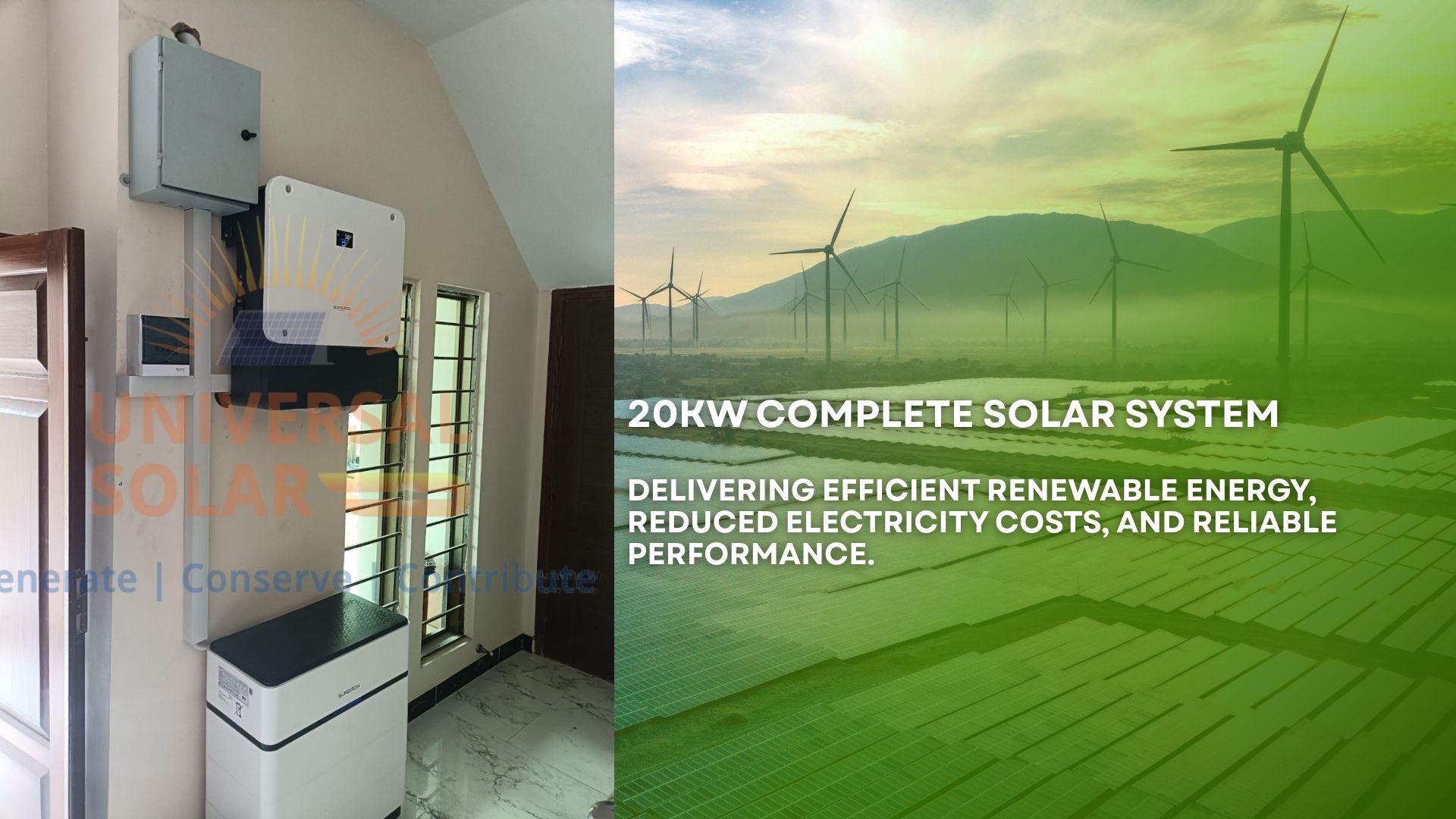
During the day, solar panels generate electricity. The hybrid inverter manages the available energy, supplying connected loads and charging the battery when the system settings, battery state and available solar power allow it. After sunset, the inverter can draw on stored battery energy to supply the property. Grid support may also be available, depending on configuration and settings.
Nighttime backup depends on several factors:
- Usable battery capacity and battery state of charge.
- Power consumption and the appliances operating at night.
- Inverter output capacity and surge capability.
- Battery discharge limits, system configuration and operating settings.
- Whether the grid or another backup source is available.
A household running lights, fans and essential appliances may need much less storage than a business running air conditioners, pumps or machinery overnight. Battery sizing should therefore be based on an actual load assessment, not just the property’s connected solar capacity.
On-Grid vs Hybrid vs Off-Grid Solar at Night
| System type | How it supplies power after sunset | Important point |
|---|---|---|
| On-grid | Normally draws electricity from the utility grid. | Most conventional grid-tied inverters shut down during a grid outage for safety unless specifically designed with backup capability. |
| Hybrid | Can use stored battery energy and, where configured, grid electricity. | Backup duration depends on battery capacity, loads and settings. |
| Off-grid | Uses battery storage and any configured generator or other backup source. | System sizing must account for periods of low solar generation. |
Choosing between these options depends on your electricity use, outage experience, backup expectations and budget. Universal Solar provides residential solar installation solutions for different household requirements.
4. Can Wind Turbines Generate Electricity in Pakistan?
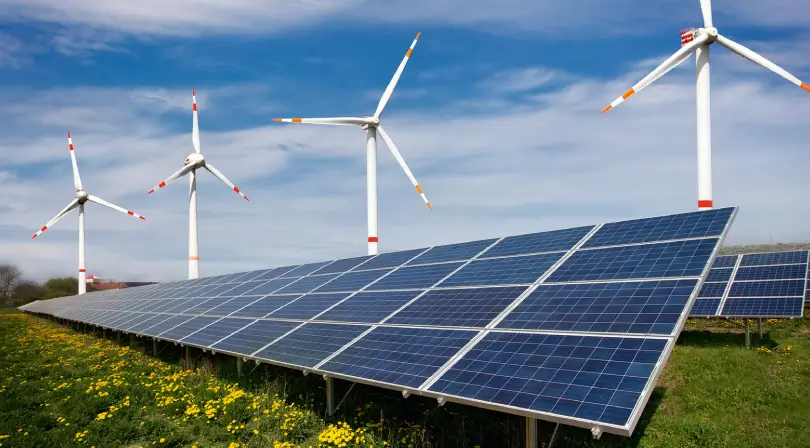
Yes. Wind turbines can generate electricity in Pakistan, particularly in areas with suitable and consistent wind resources. A turbine converts the kinetic energy of moving air into rotor movement, and a generator converts that mechanical energy into electricity.
Actual electricity production depends on:
- Average and seasonal wind speeds at the proposed site.
- Turbine rated capacity, rotor design and operating wind-speed range.
- Hub height and nearby buildings, trees or other obstructions.
- Wind turbulence, equipment quality and maintenance.
- Electrical conversion equipment and the way generated power is used or stored.
Pakistan has recognised wind-resource areas, including parts of the coastal region of Sindh and Balochistan. This does not mean every coastal property is suitable: local wind measurements and a technical assessment are needed before selecting a turbine.
Are Small Wind Turbines Suitable for Homes?
Small wind turbines may suit homes, farms and remote properties where sufficient wind is consistently available and the turbine can be installed at an appropriate height with adequate clearance. A turbine placed among buildings or trees may experience turbulence and produce far less energy than expected. A site assessment, including wind measurements at the intended hub height, is important before investing.
Can Businesses and Industries Use Wind Turbines?
Larger wind turbines can support commercial and industrial generation, but these projects require detailed feasibility work. Key considerations include land, wind measurements, civil foundations, grid connection, equipment and installation costs, environmental and permitting requirements, and ongoing maintenance. The decision should be based on expected annual energy production and total project cost.
5. Solar Energy vs Wind Energy: Which Is Better?
Neither technology is universally better. Solar is often easier to deploy on suitable rooftops, while wind can be attractive at sites with a strong, consistent wind resource and enough space.
| Factor | Solar energy | Wind energy |
|---|---|---|
| Energy source | Sunlight | Moving air |
| Generation pattern | Primarily during daylight | Whenever wind conditions are suitable |
| Space | Suitable rooftop or open land | Open area, height and turbine clearance |
| Maintenance | Generally low; cleaning and electrical checks are needed | Mechanical and electrical components need inspection |
| Site assessment | Sun exposure, shading and roof structure | Wind speed, turbulence, height and obstructions |
| Residential use | Widely practical where suitable roof space exists | Highly location-dependent |
| Commercial use | Suitable for many buildings and facilities | Suitable where the wind resource justifies the project |
Which Is More Suitable for Karachi?
Solar energy is a practical renewable option for many Karachi homes and businesses because panels can be installed on suitable rooftops or open spaces. Wind power may also be worth investigating at selected coastal or open sites, but proximity to the sea alone does not prove that a turbine will be productive. Local wind measurements and a feasibility assessment should guide the decision.
6. Can Solar Panels and Wind Turbines Work Together?
Yes. Solar panels and wind turbines can be combined in a hybrid renewable energy system. Solar panels generate electricity when sunlight is available, while a wind turbine can generate whenever wind conditions are suitable, including at night. Their generation patterns may complement each other, but this depends on the actual weather at the site.
A properly engineered solar-wind system may include:
- Solar PV modules and suitable mounting structures.
- A wind turbine, tower and compatible wind controller.
- Compatible inverters and power conversion equipment.
- Battery storage and a suitable battery management system.
- Electrical protection, monitoring and energy management equipment.
- Grid or generator backup, where required.
Solar and wind sources can be configured to charge a common battery bank, but only with compatible controllers, voltage ranges, inverter architecture, battery management and electrical protection. Combining the two sources does not guarantee uninterrupted electricity: both may experience low-generation periods, so storage and backup must be designed around actual demand.
7. Which Renewable Energy System Should You Choose?
The right solution depends on your property, electricity consumption and expectations:
- Homes: A residential solar system can reduce daytime grid consumption. A hybrid system with correctly sized batteries can provide backup after sunset.
- Businesses: Commercial solar can help reduce operating electricity costs, particularly where daytime consumption is high.
- Industrial facilities: Larger installations need detailed load analysis, engineering, equipment selection and assessment of available roof or ground space.
- Sites with strong wind resources: A wind turbine or solar-wind hybrid may be worth assessing after a professional site study.
The best system is not necessarily the largest one. It is the system designed around your actual energy use, site conditions and budget. For more background, read our guide to hybrid vs on-grid solar systems in Pakistan and our solar installation guide for Karachi.
8. Frequently Asked Questions
Do solar panels work at night in Pakistan?
No. Solar panels need sunlight to generate electricity. Hybrid and off-grid systems can use stored battery energy to supply electricity at night.
Can solar panels work during cloudy weather?
Yes. Panels can generate electricity from available daylight, although production is generally lower than on clear, sunny days.
Do I need batteries for an on-grid solar system?
No. A conventional on-grid system normally operates without batteries and draws from the utility grid when solar generation is insufficient. Standard grid-tied inverters generally shut down during a grid outage unless a specific backup arrangement is installed.
Can wind turbines be installed in Karachi?
Potentially, but suitability depends on the property’s measured wind conditions, available space, turbine design, height and installation requirements. A site assessment is recommended.
Can solar panels and wind turbines charge the same battery bank?
Yes, in a properly engineered system. Compatible charge controllers, inverters, battery management and electrical protection equipment are essential.
Which is cheaper: solar or wind energy?
There is no universal answer. Costs depend on equipment, installation, location, expected energy production, maintenance and project scale. A site-specific comparison is necessary.
Can solar energy run an entire commercial building?
It can supply a substantial share, and in some cases all, of a building’s electricity demand when correctly sized. The result depends on consumption patterns, available installation space, system design, grid arrangements and backup requirements.
9. Make an Informed Renewable Energy Decision
Solar and wind energy both offer opportunities to reduce dependence on conventional electricity in Pakistan. Solar panels are a practical option for many homes, businesses and industrial facilities. Hybrid systems with battery storage can also supply electricity after sunset. Wind turbines may provide additional value at locations with suitable wind conditions, and combining wind and solar can improve energy availability when the system is properly designed.
Before investing, assess your electricity consumption, property, available natural resources and budget. A professional feasibility study and system design can help you select appropriate equipment and avoid unnecessary costs.
Looking for a Solar Solution in Pakistan?
Universal Solar provides customized solar energy solutions for homes, businesses and industrial facilities. Visit Universal Solar or chat with our team directly on WhatsApp to discuss your project and request professional guidance.