
Are you planning solar installation in Karachi but unsure where to start? Whether you want to reduce your electricity bills at home, keep your business running during power interruptions, or make your factory more energy-efficient, choosing the right solar system is an important decision.
Karachi receives abundant sunlight throughout the year, making solar energy a practical option for residential, commercial and industrial properties. However, a successful solar installation involves more than purchasing solar panels. You need the right system capacity, a suitable inverter, a safe mounting structure, properly designed electrical protection and a system that matches your electricity consumption.
This Karachi solar installation guide explains the process step by step and helps you make an informed decision.
1. Check Your Electricity Consumption Before Installing Solar
The first step is understanding how much electricity you consume. Collect your last 6–12 electricity bills and review:
- Monthly electricity units and average bill
- Daytime and nighttime electricity usage
- Major appliances, air conditioners, pumps or machinery
- Future electricity requirements
For a home, consider air conditioners, refrigerators, water pumps and lighting. For a commercial property or factory, assess machinery, motors, office equipment and operating hours. A professional installer should use your consumption pattern to recommend an appropriate system rather than simply suggesting a larger number of panels.
2. Choose the Right Type of Solar System
On-Grid Solar System
An on-grid solar system operates in connection with the electricity grid. Solar panels generate electricity during daylight hours and the system supplies power to your property’s loads. Depending on the system design and applicable utility arrangements, surplus electricity may be exported to the grid. This option can suit properties with a grid connection and substantial daytime electricity consumption.
Hybrid Solar System
A hybrid solar system combines solar panels, a hybrid inverter, battery storage and grid connectivity. It can supply daytime loads from solar generation, store surplus energy in batteries and provide backup when grid electricity is unavailable, subject to system design and battery capacity. Hybrid systems are worth considering for homes, offices, shops and businesses that require backup power.
Off-Grid Solar System
An off-grid solar system operates independently of the electricity grid. It relies on solar panels and battery storage, with an appropriately designed backup source where required. It can be suitable for remote locations or properties where a grid connection is unavailable or unreliable.
Which system should you choose? The answer depends on electricity consumption, backup requirements, roof space, budget and utility connection. A proper site assessment helps determine the most suitable option.
3. Arrange a Professional Solar Site Survey
A site survey is one of the most important stages of solar installation in Karachi. A qualified installation team should inspect:
- Available rooftop or ground space
- Roof direction, layout and shading
- Structural strength and mounting requirements
- Distance between panels, inverter and electrical distribution board
- Cable routes and electrical protection requirements
- Earthing and surge protection
- Location and ventilation for the inverter and batteries
- Access for cleaning and maintenance
Karachi properties have different rooftop conditions. Some have open RCC roofs, while others have water tanks, mumty structures, nearby buildings or partial shading. The installation design should account for these conditions before equipment is purchased.
4. Select Quality Solar Panels
Solar panels are a major part of your investment. Their efficiency, performance warranty, product warranty and manufacturer reliability should all be considered. When comparing panels, check:
- Manufacturer and product specifications
- Rated wattage and module efficiency
- Product and performance warranties
- Certification and testing documentation
- Compatibility with the selected inverter
- Availability of after-sales support
Do not select panels based on wattage or price alone. Ask your installer to explain the proposed equipment and provide the relevant datasheets.
5. Choose the Correct Solar Inverter
The inverter converts the electricity generated by solar panels into usable electricity for your property. The correct inverter depends on system type, connected load, phase, panel configuration and backup requirements.
- On-grid inverters are designed for grid-connected solar systems.
- Hybrid inverters integrate solar, grid and compatible battery storage.
- Off-grid inverters are designed for systems that operate independently of the grid.
Manufacturers such as Sungrow and other established brands offer different inverter ranges. Compare technical specifications, protection features, warranty coverage and local support. For hybrid installations, confirm inverter and battery compatibility. Battery capacity should be selected according to the appliances or equipment you want to operate during a power interruption.
6. Understand the Solar Installation Process
Once the system design and equipment have been approved, installation can proceed. A typical professional installation includes:
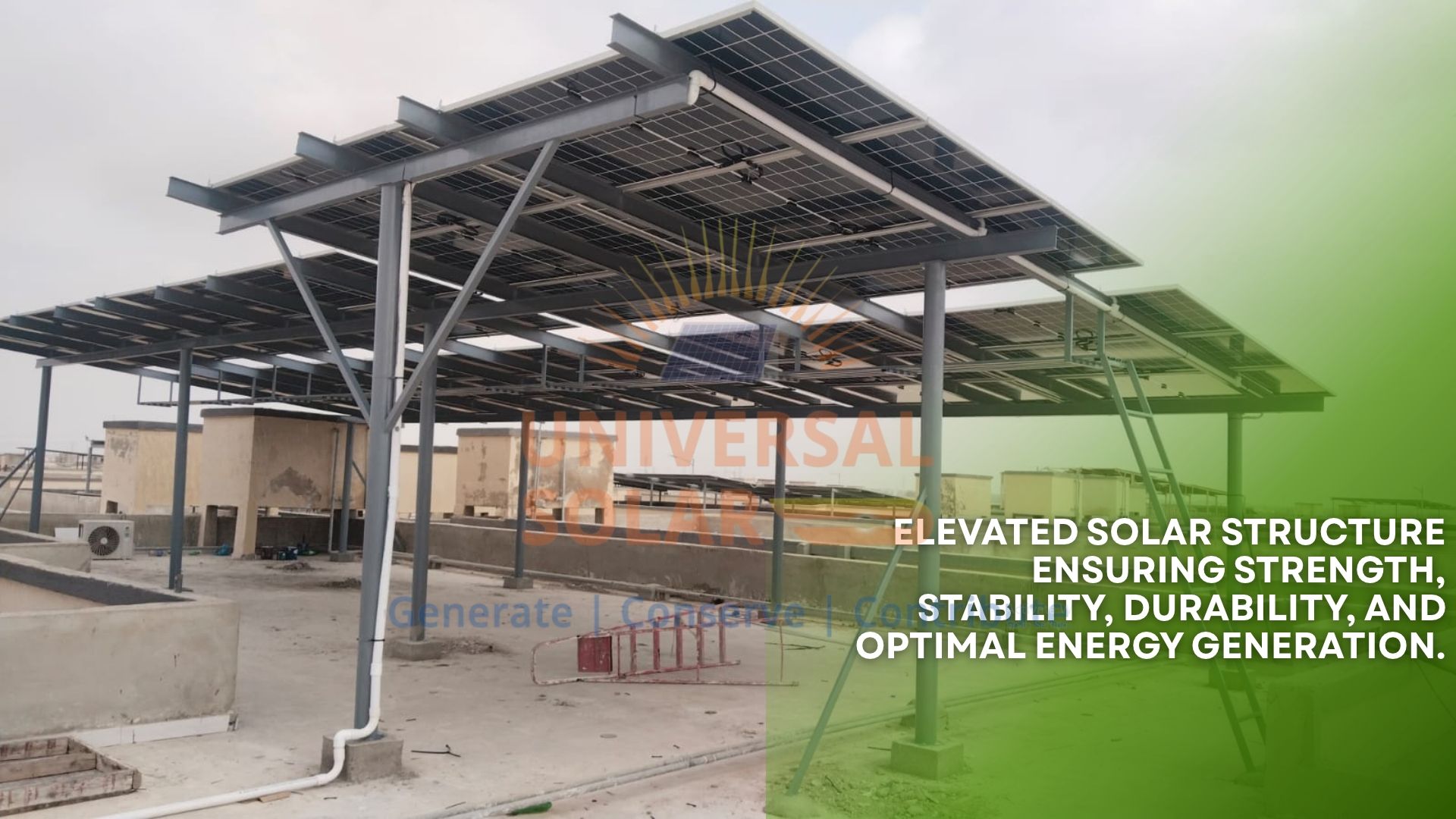
- Mounting structure: Install a suitable structure designed for roof conditions, panel layout and local wind exposure.
- Solar panel installation: Secure the modules according to manufacturer requirements, spacing and orientation.
- Inverter installation: Install the inverter in a suitable, ventilated and accessible location, following manufacturer clearances.
- Electrical wiring: Complete DC and AC wiring using correctly sized cables, connectors, breakers and isolators.
- Safety and protection: Provide suitable earthing, surge protection and other electrical safety measures required by the design and applicable standards.
- Testing and commissioning: Check connections, inverter configuration, system performance and safety before handover.
A properly installed system should include equipment details, commissioning information and operating instructions.
7. K-Electric, Net Billing and Solar Approvals in Karachi
An important consideration for anyone planning a new grid-connected solar installation in Karachi is the applicable utility approval process. Karachi electricity consumers generally deal with K-Electric. New prosumer connections are processed under the NEPRA Prosumer Regulations 2026 and the applicable amendments. K-Electric describes the current arrangement for new customers as net billing, rather than the previous net-metering framework.
This distinction matters because electricity imported from the grid and surplus electricity exported to the grid may be valued differently. Do not assume that every exported unit will offset an imported unit at the same rate.
Before installing a system intended to export electricity:
- Check your sanctioned electrical load and connection requirements.
- Confirm the current K-Electric application and technical requirements.
- Check whether the proposed inverter and system design meet applicable standards.
- Confirm current export-credit and billing arrangements.
- Ensure the installation and documentation comply with the applicable regulations.
Existing customers with valid agreements may be treated under transition provisions, and amendments can affect the applicable requirements. Confirm your individual position directly with K-Electric before making an investment decision.
Official information: K-Electric Net Billing and NEPRA Regulations and Legal Notifications.
8. How Much Solar Capacity Do You Need?
There is no single solar capacity suitable for every Karachi property. The system size should be calculated from your electricity consumption, daytime load, roof space and backup requirements.
- A smaller home may need a compact residential system.
- A larger home with multiple air conditioners may need a higher-capacity installation.
- A shop or office may benefit from a system designed around daytime operating hours.
- A factory may require a detailed commercial or industrial solar assessment.
Your installer should provide a proposed system capacity, panel layout, inverter specifications, expected generation estimate and financial calculation. You can also use the Universal Solar System Calculator to begin estimating your requirements.
9. Common Mistakes to Avoid When Installing Solar
- Choosing only on the basis of the lowest quotation: Compare equipment quality, installation standards and warranties.
- Ignoring roof structure: The mounting design must suit the actual site.
- Oversizing or undersizing the system: Capacity should match consumption and approved connection requirements.
- Ignoring battery compatibility: Hybrid systems need compatible equipment and appropriate battery configuration.
- Overlooking electrical safety: Earthing, protection devices and correct cable sizing are essential.
- Assuming old net-metering benefits still apply: Understand current net-billing rules before calculating returns.
- Not checking after-sales support: Confirm who will handle maintenance, monitoring and warranty claims.
10. Why Choose a Professional Solar Installation Company in Karachi?
A reliable solar company should provide more than equipment. It should understand your electricity requirements, design the system, select compatible components, install the equipment safely and support you after commissioning.
When comparing solar installers, ask for:
- A site survey and load assessment
- A detailed equipment quotation
- Solar panel and inverter datasheets
- Mounting structure specifications
- Electrical protection and earthing details
- Warranty and service information
- A realistic generation and savings estimate
- Assistance with applicable utility documentation
Universal Solar provides solar design, engineering and installation solutions for residential, commercial and industrial customers. Services include on-grid, hybrid and off-grid solar systems, battery storage, inverters and EV charging solutions.
Explore Universal Solar services and view examples of completed installations in the Projects Gallery.
Frequently Asked Questions About Solar Installation in Karachi
How do I install solar panels in Karachi?
Start by reviewing your electricity bills, arranging a professional site survey, selecting the appropriate system type and capacity, and obtaining a detailed equipment and installation quotation. The installation should then be completed with suitable electrical protection, testing and commissioning.
Which solar system is best for a house in Karachi?
An on-grid system may suit a home focused on daytime electricity savings, while a hybrid system may be preferable when backup power and battery storage are important. The best option depends on your load and requirements.
Can I install solar panels without batteries?
Yes. An on-grid solar system can operate without battery storage. A hybrid system can also be designed with or without batteries, depending on the inverter model and configuration.
How many solar panels do I need for my home?
The number depends on the capacity and wattage of the panels, your electricity consumption, available roof space and system design. A site assessment and load calculation provide a more reliable answer than a general estimate.
Is net metering still available in Karachi?
New grid-connected prosumer applications are processed under the 2026 NEPRA Prosumer Regulations and applicable amendments, with K-Electric describing the current arrangement for new customers as net billing. Existing agreements may be treated differently under transition provisions. Confirm your individual position with K-Electric before making an investment decision.
How do I choose a solar installation company in Karachi?
Compare technical proposals, equipment brands, warranties, installation quality, safety provisions, project experience and after-sales support. Ask for a site survey and a written quotation before proceeding.
Get a Solar Installation Assessment in Karachi
Planning to install solar panels at your home, office, shop or industrial facility? Universal Solar can help assess your electricity requirements and recommend a suitable on-grid, hybrid or off-grid solar solution.
Contact Universal Solar to discuss your project, request a site assessment and receive a detailed solar installation quotation.
Visit: universalsolar.com.pk
Contact: Contact Universal Solar
Start planning your solar installation today.